

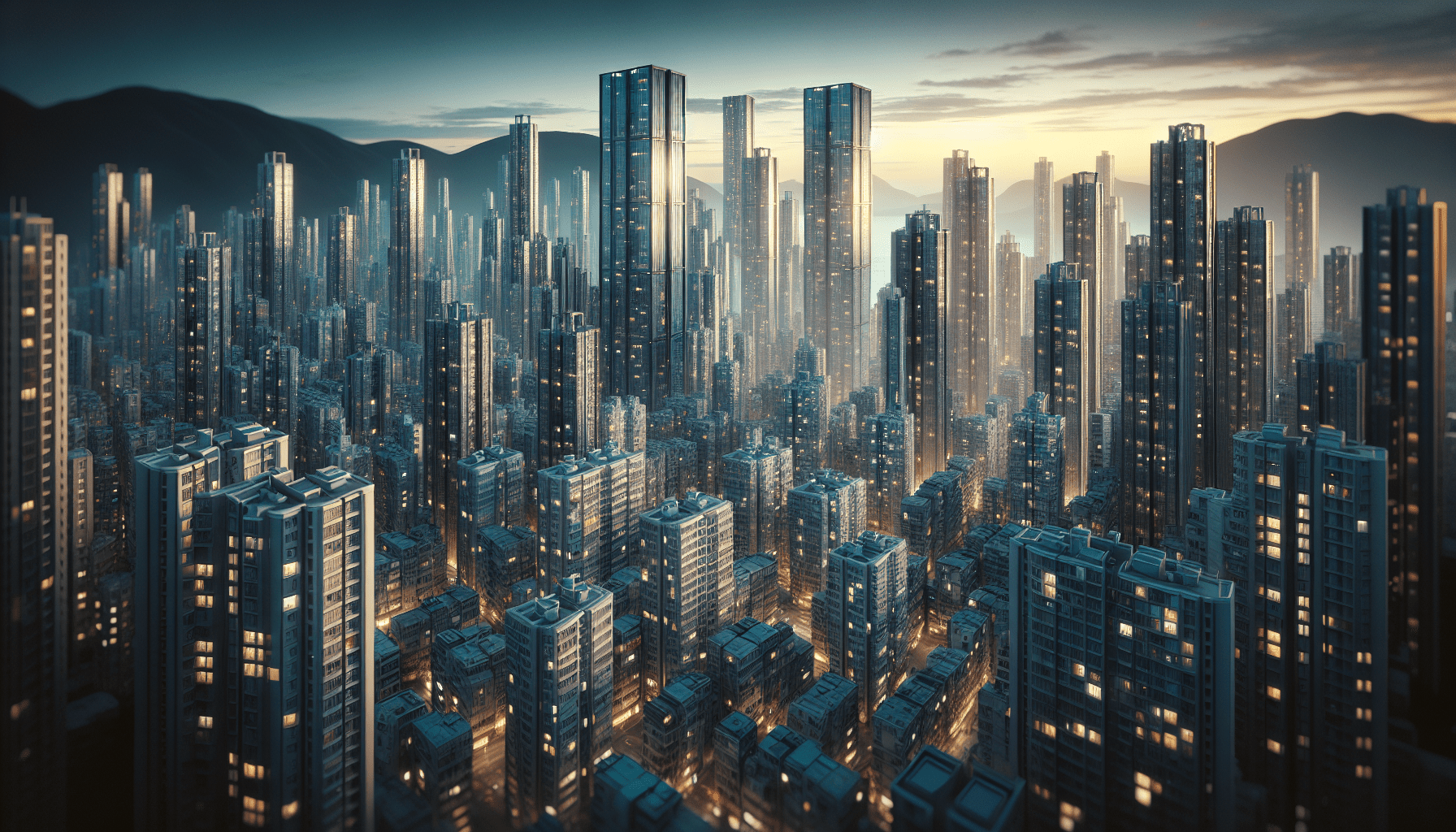
Have you ever wondered which cities around the world carry the heaviest price tags when it comes to everyday living? Maybe you’re considering relocating or just curious about how your hometown stacks up. Living in a high-cost city comes with its own set of challenges and bonuses. Understanding what makes these cities expensive can help you make informed decisions, whether you’re planning a move, a trip, or just making small talk.
The Criteria for High Living Costs
When it comes to determining the most expensive cities to live in, several factors come into play. Cost of living surveys usually weigh these elements:
- Housing Costs: Generally, the biggest chunk of your living expenses.
- Transportation: Both public transit and personal vehicle costs.
- Groceries and Eating Out: The everyday expenses of food and dining.
- Healthcare: Costs related to medical care and health insurance.
- Entertainment & Leisure: Spending for recreation and social activities.
These categories provide a comprehensive snapshot of the financial demands of living in these cities. Let’s delve into some specific cities and what makes them so pricey.
Hong Kong
Housing
In Hong Kong, finding affordable housing can be a bit of a nightmare. The city is known for its dense population and limited space, resulting in sky-high property prices and rents. Many people end up living in very small apartments, sometimes just a room, due to the exorbitant cost.
Transportation
Public transportation is effective and widely used, but it can still add up. The Octopus card, used for various transit modes, is a must-have yet another monthly expense.
Food and Groceries
Dining out isn’t cheap, especially in the city’s central areas. While you could find more affordable options in suburban regions, groceries too carry a higher price tag compared to many other places.
Healthcare
The healthcare system in Hong Kong is pretty modern, but it’s also expensive, particularly for expatriates without local insurance.
Singapore
Housing
Real estate in Singapore is costly, though you get excellent infrastructure and safety in return. Renting a modest apartment can burn a significant hole in your wallet.
Transportation
Singapore’s public transportation is renowned for its efficiency and affordability, but owning a car is a different story. With heavy duties and high costs, having a car is a luxury that not many can afford.
Food and Groceries
While you can find affordable hawker centers, imported goods tend to be quite pricey. Eating out in upscale places brings the bill up significantly.
Healthcare
Healthcare in Singapore is another wallet-buster, although you do get quality services in return. Private healthcare services are especially more expensive.
Zurich
Housing
Zurich is the financial hub of Switzerland, so it’s unsurprising that housing costs are steep. Quality living comes at a price, with high rents and property costs dominating your budget.
Transportation
Public transportation is efficient, but passes and tickets do add up. Many residents also own bicycles as a cheaper form of commuting.
Food and Groceries
Grocery shopping in Zurich can be more expensive compared to other European cities. Dining out is often reserved for special occasions due to high costs.
Healthcare
Healthcare services in Zurich are top-notch but come with a hefty price tag. Private healthcare is especially pricey.
Tokyo
Housing
Space is a premium commodity in Tokyo. Rent and property costs are very high, particularly if you want to live closer to city centers like Shibuya or Shinjuku.
Transportation
Public transport in Tokyo is extensive and efficient. Though reasonably priced, frequent users still find it a considerable expense. Owning a vehicle is less common and very costly.
Food and Groceries
Dining out can go from relatively cheap to extremely expensive, depending on whether you eat at local eateries or high-end restaurants. Groceries are typically on the pricier side.
Healthcare
Japan’s healthcare is excellent but can be expensive if you don’t have insurance. The quality of care is a huge plus, however.
New York City
Housing
The Big Apple is infamous for its high cost of living, particularly related to housing. Apartments and homes are incredibly expensive, whether renting or buying.
Transportation
While the subway is relatively affordable, other aspects like taxis, Ubers, or car ownership add to the price. It’s crucial to budget for transportation effectively.
Food and Groceries
Eating out in New York City can damage your budget significantly, especially if you opt for fine dining. Grocery shopping is also more expensive compared to other parts of the United States.
Healthcare
Healthcare in New York City is among the most expensive in the world, making insurance a necessity. The high cost does benefit from access to some of the world’s best medical facilities.
London
Housing
London’s housing market is famously expensive. Whether buying or renting, living in desirable areas like Kensington or Chelsea will cost a fortune.
Transportation
Public transport costs can quickly accumulate, even though it is highly convenient. Many residents find ways to minimize these costs, such as cycling or walking.
Food and Groceries
While you can find affordable food markets, the city also has a high number of expensive dining options. Groceries are moderately expensive as well.
Healthcare
The National Health Service (NHS) provides a unique safety net, but private healthcare is quite costly if you choose to go that route.
Sydney
Housing
Sydney’s attractive coastal lifestyle comes with a hefty price tag for housing. Rent and property prices are some of the highest in Australia.
Transportation
Public transport is extensive but not cheap. Many residents also own cars, further adding to their expenses.
Food and Groceries
Eating out in Sydney ranges from affordable options to very expensive ones. Groceries, especially imported items, are on the expensive side.
Healthcare
Australia offers excellent healthcare facilities, but private medical care and insurance are pretty pricey.
Paris
Housing
Paris’s romantic allure comes with high living costs, particularly in housing. Living in central districts is very expensive.
Transportation
The public transportation system is excellent and fairly priced relative to other global cities but still represents a significant portion of the monthly budget.
Food and Groceries
Dining out, especially in Michelin-starred restaurants, can be exorbitantly pricey. Groceries likewise come at a premium, though there are more affordable options.
Healthcare
Healthcare in Paris is good and can be relatively affordable thanks to the public system. However, private healthcare options are available and expensive.
Table of Comparative Living Costs
To make things clearer, here is a comparative table outlining the overall cost of living in these cities for an average expatriate.
| City | Housing | Transportation | Food & Groceries | Healthcare | Miscellaneous |
|---|---|---|---|---|---|
| Hong Kong | Very High | High | High | High | High |
| Singapore | Very High | High | High | Very High | High |
| Zurich | Very High | High | High | Very High | High |
| Tokyo | Very High | Moderate | High | High | Moderate |
| NYC | Very High | High | Very High | Very High | High |
| London | Very High | High | Moderate | Moderate | Moderate |
| Sydney | Very High | High | High | High | High |
| Paris | Very High | Moderate | High | Moderate | High |
Why Do These Cities Rank So High?
Understanding why these cities rank so highly involves a combination of factors:
- Economic Hubs: Many of these cities are global economic centers, attracting businesses and expatriates that drive up demand.
- Limited Space: Cities like Hong Kong and Singapore have limited land, contributing to higher housing costs.
- Quality of Life: High living standards, excellent infrastructure, and world-class amenities often come with higher costs.
- Taxation and Regulation: Local taxes and regulations can significantly impact cost structures, especially regarding housing and transportation.
Cost Mitigation Strategies
Living in one of these expensive cities doesn’t mean you have to break the bank. Here are some strategies to help manage costs:
Housing
- Opt for Suburbs: Living slightly outside the city center can save a lot on rent and property prices.
- Roommates: Sharing an apartment can divide rent and utility costs, making it more manageable.
- Negotiate: Always try to negotiate rent prices with landlords, especially if you plan a longer stay.
Transportation
- Public Transit: Rely more on public transportation and less on private vehicles to cut costs.
- Cycling or Walking: Use a bike or walk when possible.
- Seasonal Passes: Often, seasonal or annual public transport passes offer significant savings over monthly or weekly options.
Food and Groceries
- Cook More: Dining out is fun but cooking at home saves a lot of money.
- Local Markets: Buying groceries from local markets can be cheaper than supermarkets.
- Meal Planning: Plan meals in advance to avoid last-minute dining out.
Healthcare
- Insurance: Always have health insurance to cover unexpected medical expenses.
- Public Healthcare: Use public healthcare services when available to save on costs.
- Preventive Care: Regular check-ups can prevent costlier health issues in the long run.
Conclusion
Living in any of these expensive cities in 2024 brings its own set of challenges and rewards. These cities offer incredible opportunities, amenities, and lifestyles, but at a significant price. By understanding the primary cost factors and implementing strategies to mitigate expenses, you can better enjoy life in some of the world’s most exciting urban environments.
Source: https://remotive.com/blog/the-most-expensive-cities-to-live-in-2024/